Slitting Line Operator Training Checklist
A practical training framework for coil loading, strip feeding, slitter setup, tension control, recoiling, quality checks, shift handover, and safe escalation.
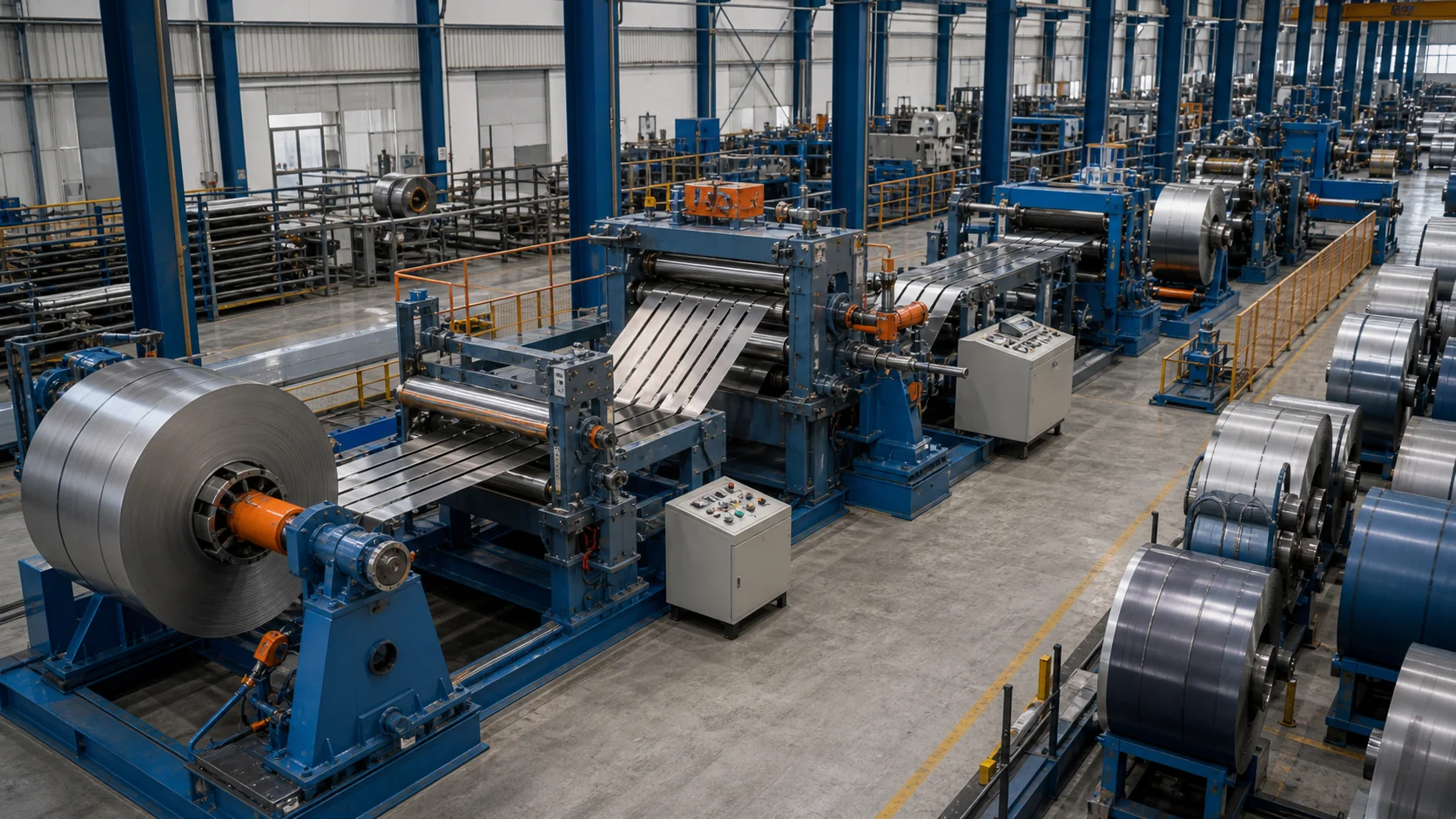
What Should Slitting Line Operator Training Cover?
Effective slitting line operator training should help the team understand the complete material path, the purpose of each station, the approved start-up and shutdown sequence, the product checks required during production, and the conditions that require the line to be stopped and reviewed.
The training plan should be matched to the supplied equipment. A compact line, a high-speed line, and a line with different uncoiling, looping, tensioning, scrap handling, or recoiling arrangements will not use exactly the same operating procedure.
Before Operator Training Starts
Prepare the machine, documents, sample material, tools, and responsibilities before the training session. This makes the training easier to follow and reduces uncertainty during the first trial runs.
Approved Operating Information
- Machine manual and electrical documentation
- Approved start-up and shutdown procedure
- Local safety and lockout/tagout procedure
- Maintenance and lubrication schedule
Confirmed Coil and Strip Data
- Coil width, thickness, weight, and material
- Required strip widths and quantity
- Accepted width and edge-quality criteria
- Recoiled strip identification method
Defined Operator Roles
- Line leader and authorized operators
- Coil handling responsibility
- Quality inspection responsibility
- Maintenance and escalation contacts
Station-by-Station Operator Training
Training should follow the same direction as the steel strip. The operator should be able to identify every station, explain its function, and recognize the main checks before the line is allowed to run.
| Line Area | Operator Must Understand | Checks to Demonstrate | Escalate When |
|---|---|---|---|
| Coil handling and uncoiler | Approved coil loading method, coil direction, centering, expansion, support, and restraint. | Coil data matches the plan; coil is secure; strip direction and centerline are correct. | Coil damage, unstable support, incorrect weight information, or abnormal movement is observed. |
| Entry preparation and feeding | Strip head preparation, pinch roll or leveling function, side guiding, and controlled feeding. | Strip is flat enough to feed; guides are aligned; the strip enters without twisting or uncontrolled movement. | The strip will not track, the head is unsafe to feed, or entry equipment behaves abnormally. |
| Slitter head and tooling | Approved tooling arrangement, knife and spacer identification, overlap or clearance instructions, and clamping procedure. | Tooling matches the approved setup sheet; components are clean; shafts, nuts, guards, and settings are confirmed by authorized personnel. | Tooling is damaged, the setup sheet is unclear, compatibility is uncertain, or adjustment would exceed operator authority. |
| Scrap edge handling | Scrap path, scrap winder or collection arrangement, and safe response to loose edge scrap. | Scrap travels through the intended path and does not interfere with product strips or guarding. | Scrap becomes loose, tangled, unstable, or approaches a restricted area. |
| Looping, separation, and tension | Purpose of strip separation, loop control, braking or tension unit, and stable strip tracking. | Individual strips remain separated; tension is balanced; strip edges do not climb or cross. | Strips overlap, tension fluctuates, tracking changes suddenly, or the line produces repeated edge damage. |
| Recoiler and unloading | Recoiler expansion, strip alignment, separator use, winding direction, coil build, and approved unloading method. | Strip heads are secured by the approved method; coil build remains even; the finished slit coil is stable and identified. | The coil telescopes, strips loosen, the recoiler vibrates, or unloading conditions are not safe. |
Start-up and Trial-Run Checklist
The first controlled run after a new setup should confirm that the machine, tooling, material path, and quality checks agree with the production plan.
- Confirm the work order, material grade, coil data, and required strip widths.
- Verify that guards, emergency stops, sensors, and interlocks are in their approved condition.
- Remove loose tools and confirm that restricted areas are clear.
- Check tooling, separator, guide, tension, and recoiler setup against the approved record.
- Use the authorized low-speed or trial procedure before normal production.
- Inspect the first strips and recoiled material before increasing the operating rate.
- Record the accepted setup so the next production run starts from verified information.
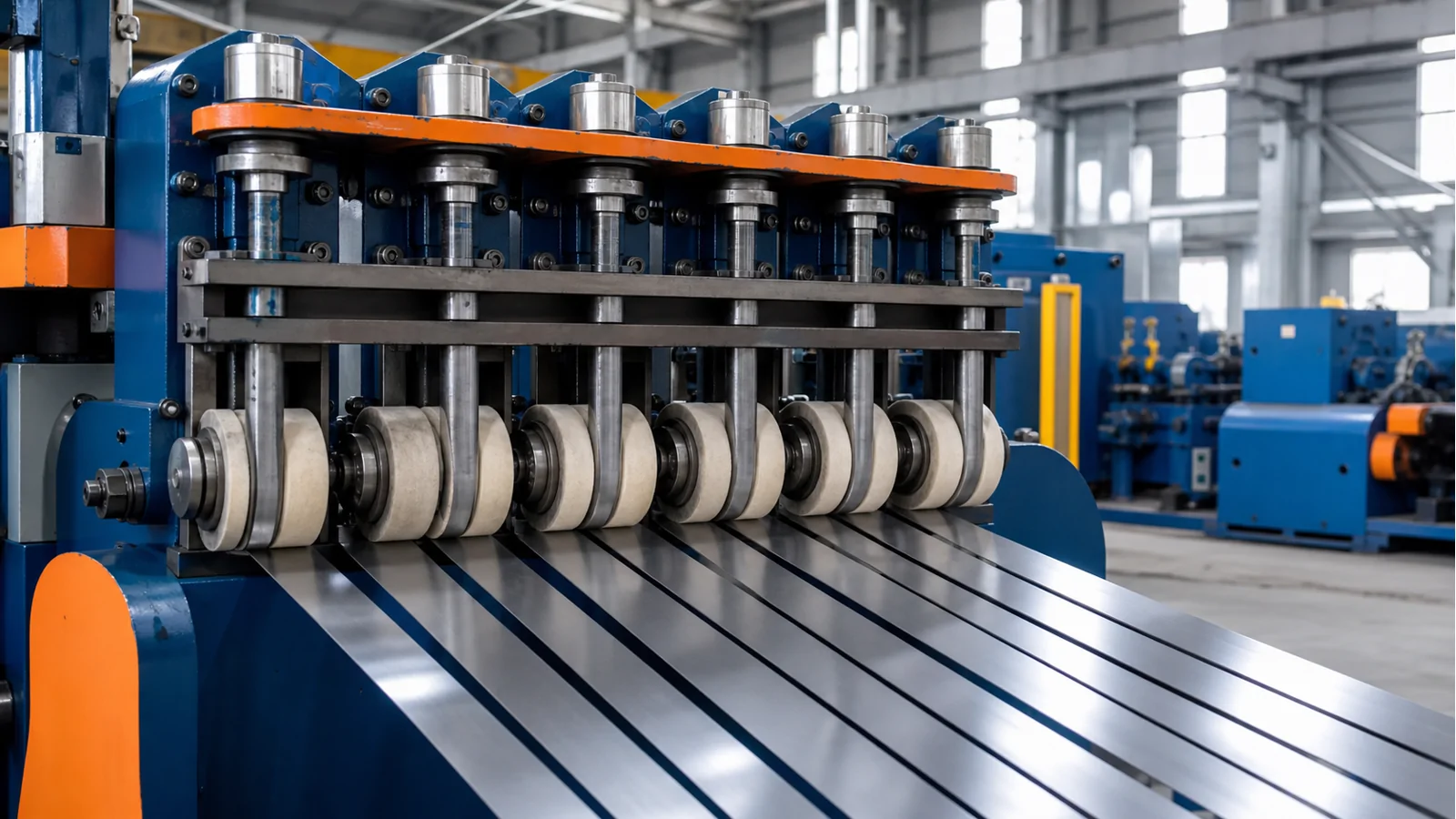
Quality Checks During Slitting
Operators need a simple inspection routine that connects machine condition with the finished strip. The inspection frequency and acceptance limits should come from the buyer’s product standard and approved production documents.
Strip Width
Measure the required strip widths with the approved instrument and method. If several strips drift in a pattern, review the tooling arrangement and material tracking before continuing.
Edge and Burr Condition
Inspect both slit edges for abnormal burr, rollover, tearing, or damage. Changes can indicate tooling condition, setup, material variation, or line stability issues.
Strip Tracking
Confirm that strips remain separated and follow the intended path through guiding, tensioning, and recoiling sections without crossing or rubbing.
Recoiled Coil Build
Check winding alignment, strip tightness, side face condition, and coil stability. Telescoping or loose winding should be reviewed before unloading.
Surface Condition
Look for scratches, dents, contamination, or handling marks that may affect the downstream tube mill or the final product.
Production Record
Record material, tooling setup, inspection results, adjustments, abnormalities, and the disposition of nonconforming strip.
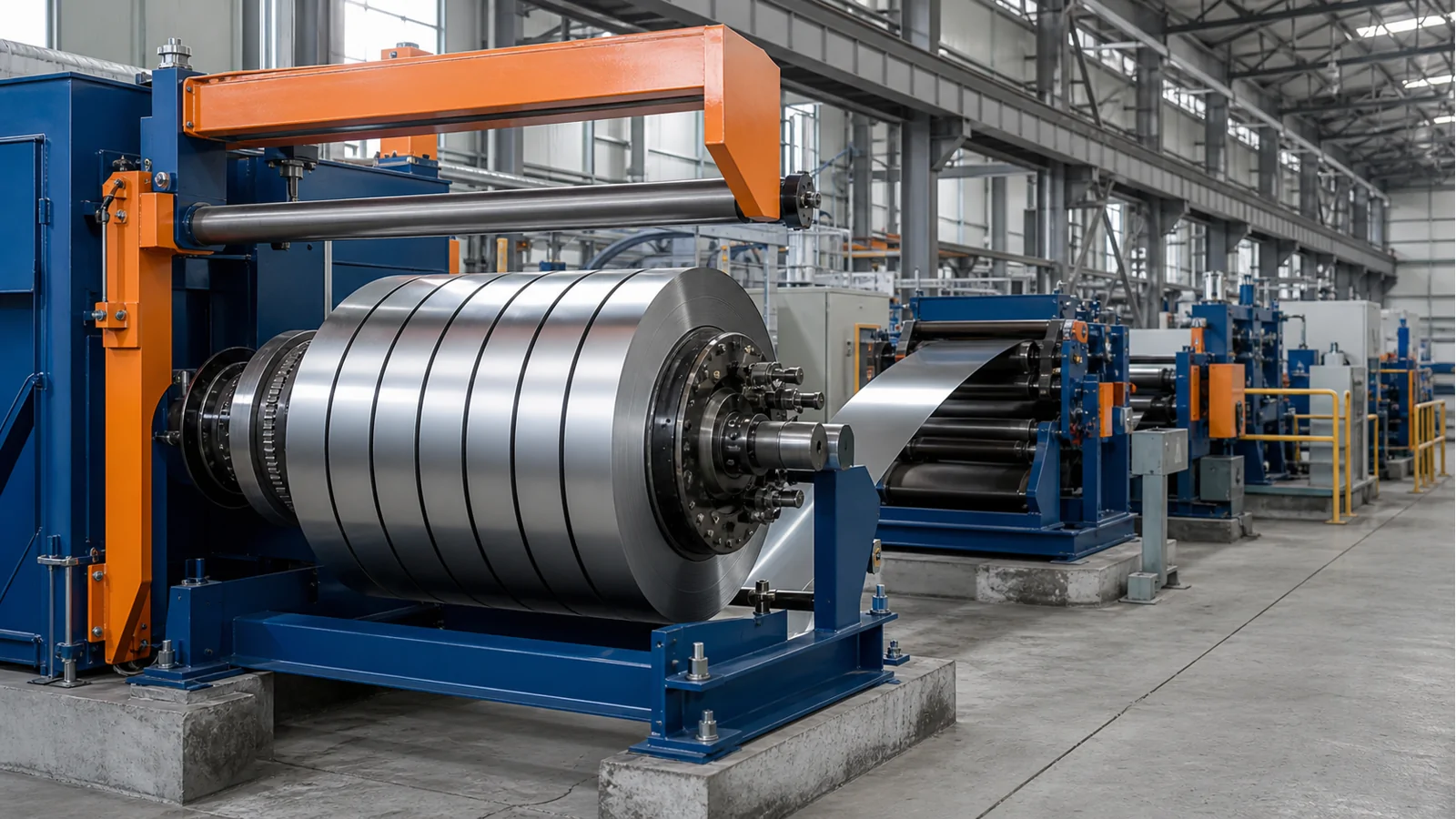
Shift Handover and Production Records
A good shift handover prevents the next operator from repeating the same investigation. Use a standard record and discuss any unresolved condition before responsibility changes.
- Work order, coil identification, and completed quantity
- Current tooling and separator setup reference
- Last accepted width and edge inspection results
- Adjustments made during the shift
- Abnormal sound, vibration, tracking, tension, or recoiling condition
- Maintenance action completed or still required
- Nonconforming material identification and location
When Should an Operator Stop and Escalate?
Training should give operators clear authority to stop the line when continuing could damage equipment, material, or people. The site should define who evaluates the condition and who authorizes restart.
- A guard, interlock, emergency stop, sensor, or safety device is not in its approved condition.
- The coil, strip, scrap edge, or slit coils move in an uncontrolled way.
- Repeated width, burr, tracking, or recoiling defects cannot be corrected within the approved procedure.
- Abnormal noise, vibration, temperature, smell, electrical behavior, or hydraulic condition appears.
- Tooling damage, loose components, or uncertain machine compatibility is found.
- The operator does not understand the work instruction or the required setup is outside their authorization.
Questions to Confirm with the Supplier
- Which operators and maintenance personnel should attend commissioning?
- Which setup records and inspection forms will be supplied?
- Which tasks require authorized maintenance personnel?
- What spare and wear parts should be available before start-up?
- How are remote troubleshooting information, photos, and alarm details shared?
- What information is required before changing material or product range?
Related Slitting Line Resources
Slitting Line Operator Training FAQ
Who should attend slitting line operator training?
The line leader, designated operators, quality inspector, maintenance representative, and personnel responsible for coil handling should attend the relevant parts of training. Final attendance should match the buyer’s organization and local safety requirements.
What information should be prepared before slitting line training?
Prepare the machine manual, approved procedures, coil specifications, required strip widths, accepted quality criteria, tooling setup information, production records, and the names and responsibilities of authorized personnel.
Does operator training include knife clearance and tooling setup?
Training can explain the approved tooling and setup procedure for the supplied line. Exact clearance, overlap, spacer arrangement, and adjustment authority depend on the machine, tooling, material, product specification, and engineering documentation.
What quality checks should slitting line operators perform?
Typical checks include strip width, edge and burr condition, strip tracking, surface condition, recoiled coil build, and production records. Inspection frequency and acceptance limits should follow the buyer’s approved quality plan.
Can XFX provide slitting line installation and operator training support?
XFX can review installation guidance, commissioning, operator training, remote support, and spare parts needs according to the supplied configuration, destination conditions, and agreed project scope.
Prepare Your Slitting Line Training Plan
Send the coil width, coil thickness, coil weight, required strip widths, material, production target, factory voltage, workshop layout, and destination country. XFX will review the machine configuration and support scope before quotation.